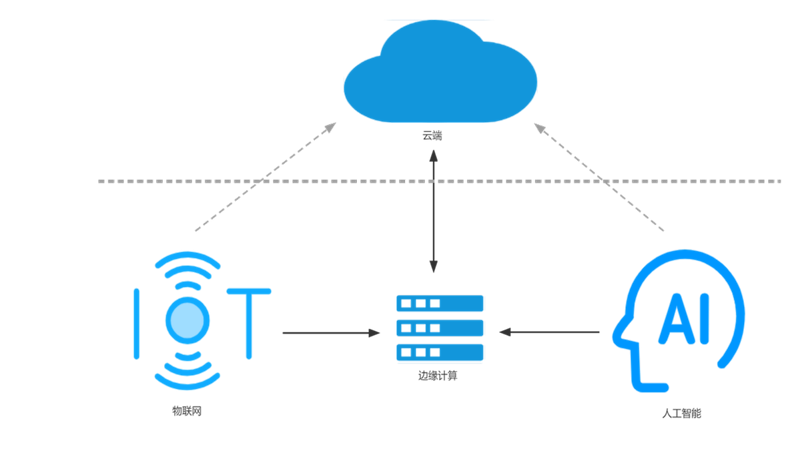
Introduction:
In today's digital age, the implementation of an Internet of Things (IoT) solution is no longer just a luxury but a necessity for businesses looking to stay ahead in their respective industries. This article will guide you through the process of creating a solid IoT solution from scratch.
Step 1: Define Your Objectives
Determine what specific challenges your organization aims to solve or what opportunities it seeks to exploit with an IoT system. Is it improving operational efficiency, enhancing customer experience, or something else?
Step 2: Identify Key Components of the Solution
List down all necessary components such as sensors, actuators, data storage systems, cloud platforms, and more. For instance, if your solution involves monitoring environmental conditions in remote areas, you might need temperature and humidity sensors.
Step 3: Design Your Network Infrastructure
Select appropriate connectivity options like Wi-Fi, cellular networks, or satellite links based on geographical constraints and cost considerations. Ensure robust security measures are in place to protect sensitive data from cyber threats.
Step 4: Develop Software Applications
Create applications that can collect, process, and analyze large volumes of sensor data. Utilize frameworks like MQTT for real-time communication between devices and the backend servers. Consider using machine learning algorithms to derive insights from the collected data.
Step 5: Integrate with Existing Systems
Ensure seamless integration with existing IT infrastructure, including databases, APIs, etc., so that new IoT systems can work cohesively within your organization's broader tech ecosystem. This step is crucial for maintaining consistency and preventing data silos.
Step 6: Test and Iterate
Rigorous testing should be conducted at every stage to identify potential bottlenecks or issues early on. Use beta testers from different departments within the company to gather valuable feedback before final deployment.
Conclusion:
Implementing an IoT solution requires careful planning and execution across multiple dimensions, from hardware selection to software development. By following these steps diligently, you can build a reliable and scalable IoT system that adds real value to your business operations.