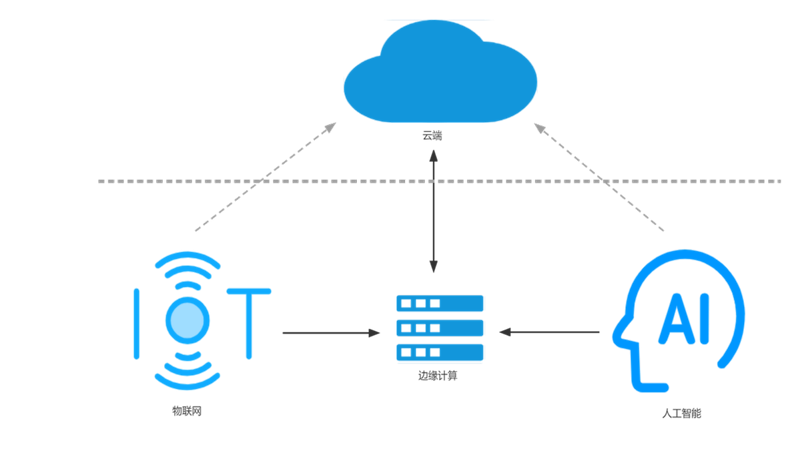
Are you looking to enhance your Internet of Things (IoT) projects with effective solutions? Understanding the key strategies can significantly boost project success. Let's explore some practical approaches and their advantages.
In this article, we will compare two prominent solutions: Cloud-based Solutions vs Edge Computing. Both have unique strengths that make them suitable for different IoT scenarios.
Cloud-Based Solutions
- Pros: Strong in data processing and storage capabilities; easy to manage and scale up or down as needed.
- Cons: Higher latency, which can be a bottleneck for real-time applications; requires consistent internet connectivity.
Edge Computing Solutions
- Pros: Reduces latency by processing data closer to the source; more resilient in areas with poor network infrastructure.
- Cons: Limited storage and processing capacity compared to cloud solutions; requires specialized hardware and software development expertise.
In choosing between these two, consider your project's specific requirements. For instance, if you need real-time decision-making capabilities in remote areas with poor internet connectivity, edge computing might be more suitable. Conversely, for applications requiring extensive data analysis and storage, a cloud-based solution could offer better scalability.
By understanding the strengths and weaknesses of both approaches, you can make an informed decision that aligns with your project goals. This approach not only enhances technical feasibility but also optimizes resource allocation and operational efficiency.